
NexuAlpha AcademySeason 1
Sam's First Crypto Lesson
Understand first, then act.
24 short animated lessons that take you from your first fraction of bitcoin to the real risks of leverage. Free to watch, no sign-up needed.
- 24 lessons
- 54 minutes in total
- Free, no sign-up

Your progress is saved on this device.
Sam's First Crypto Lesson
Funding, liquidation and order execution exercises
- E25: An empty funding row cannot finish your comparison
- E26: Audit the holding window behind a funding comparison
- E27: Compare funding rows from the same decision moment
- E28: Budget for the funding sign changing during a hold
- E29: Before comparing bars, reconcile the clocks
- E30: A long-liquidation share needs a denominator
- E31: Stress the assumptions behind a liquidation band
- E32: Build a liquidation incident notebook without filling the gaps
- E33: Limit or market: decide what may remain unfinished
- E34: A stop triggers a next step; inspect what that step can do
- E35: Post-only: when a rejected order is doing its job
- E36: Reduce-only: keep an exit from becoming a fresh position
- E37: IOC, FOK or GTC: decide what happens to the unfilled size
- E38: Partial fills: reconcile the trade before replacing the remainder
- E39: Cross or isolated: trace the collateral that can absorb a loss
- E40: Initial and maintenance margin: separate entry permission from staying open
- E41: Adding collateral: solve the threshold before and after
- E42: Mark and last: explain a trigger without a matching trade print
- E43: ADL: why a profitable hedge can become smaller
- E44: Leverage and fees: keep trade value fixed before comparing
- E45: Risk per trade and leverage belong on different worksheet lines
- E46: Fixed-fractional sizing: turn a loss budget into quantity
- E47: Give the exit room to execute
- E48: Will the stop still fit before liquidation?
- E49: Correlated positions: budget for losses that arrive together
- E50: Fees belong inside the loss budget
- E51: A pre-trade checklist you can keep beside the ticket
- E52: When stepping away is the trade decision
- E67: A fee-free pair can still be expensive to trade
- E68: Who receives a negative maker fee?
- E69: Trace a referral rebate back to the fee it returns
- E70: What your Merkle-tree inclusion result actually establishes
- E71: Read the liabilities scope before comparing reserve ratios
- E72: A practical reading path for checking your balance inclusion
- E73: Why a tiny order can have a larger effective fee
- E74: A small balance after a trade: trace the fee asset first
- E75: Before converting dust, read the amount you will receive
Part 1
Your first trade, step by step
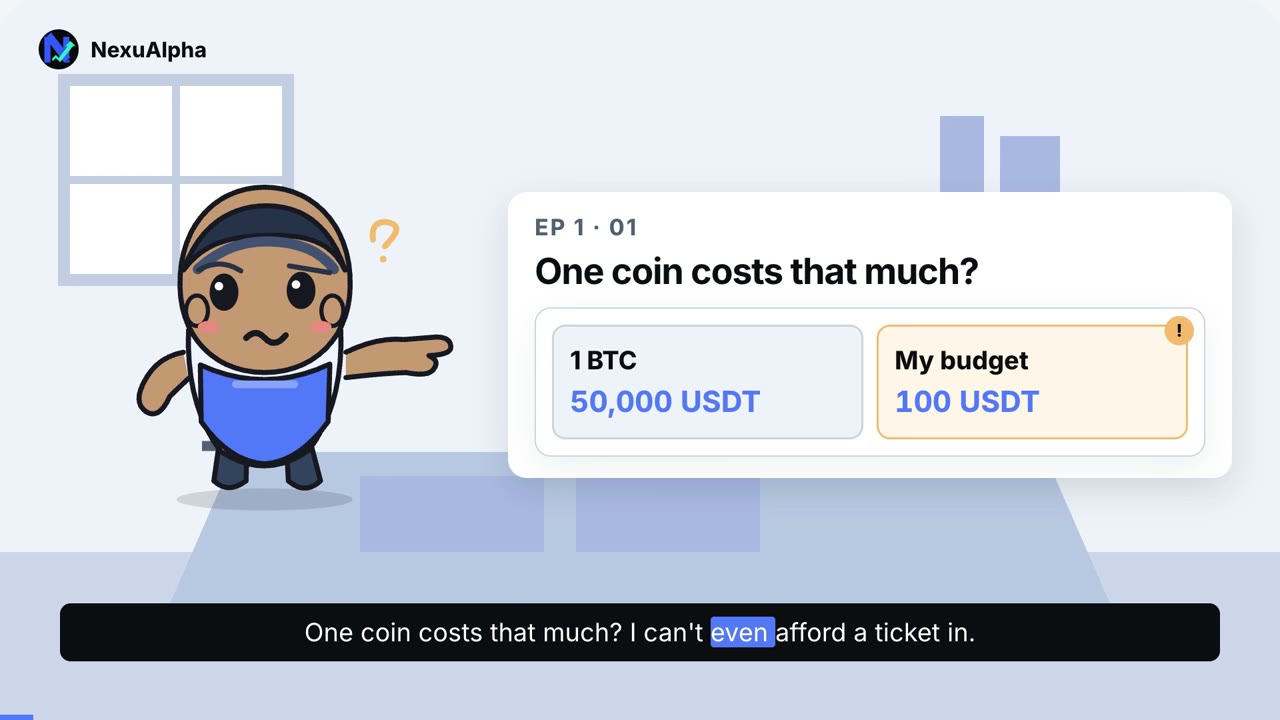 E011:36One bitcoin costs that much. Can I still buy some?
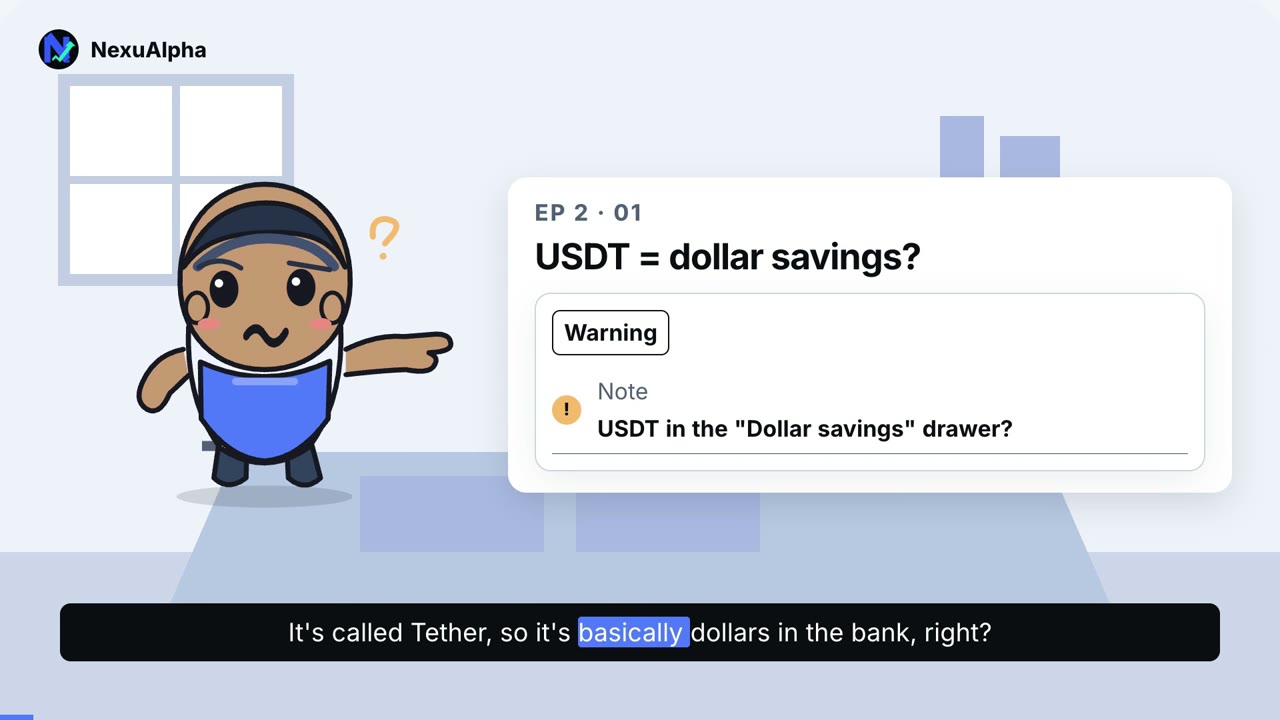 E021:36Is USDT a dollar? Why is it everywhere when you buy crypto?
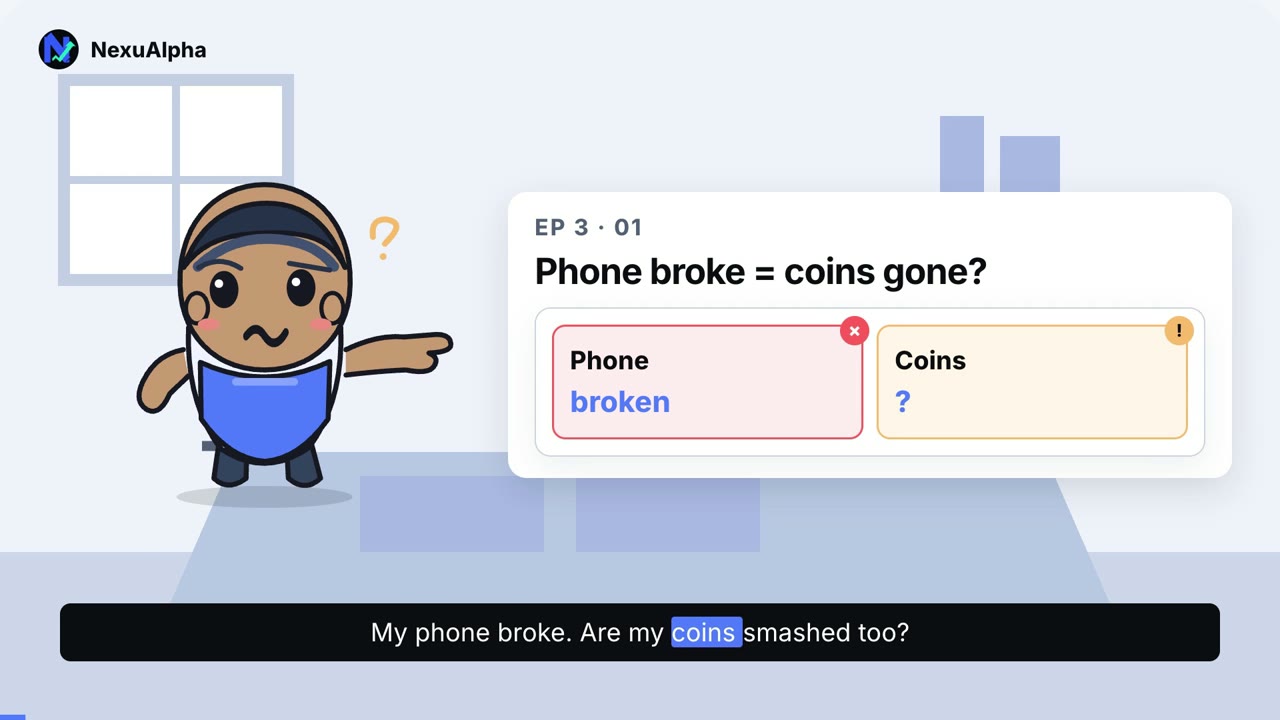 E032:06Where are my coins? Exchange vs wallet
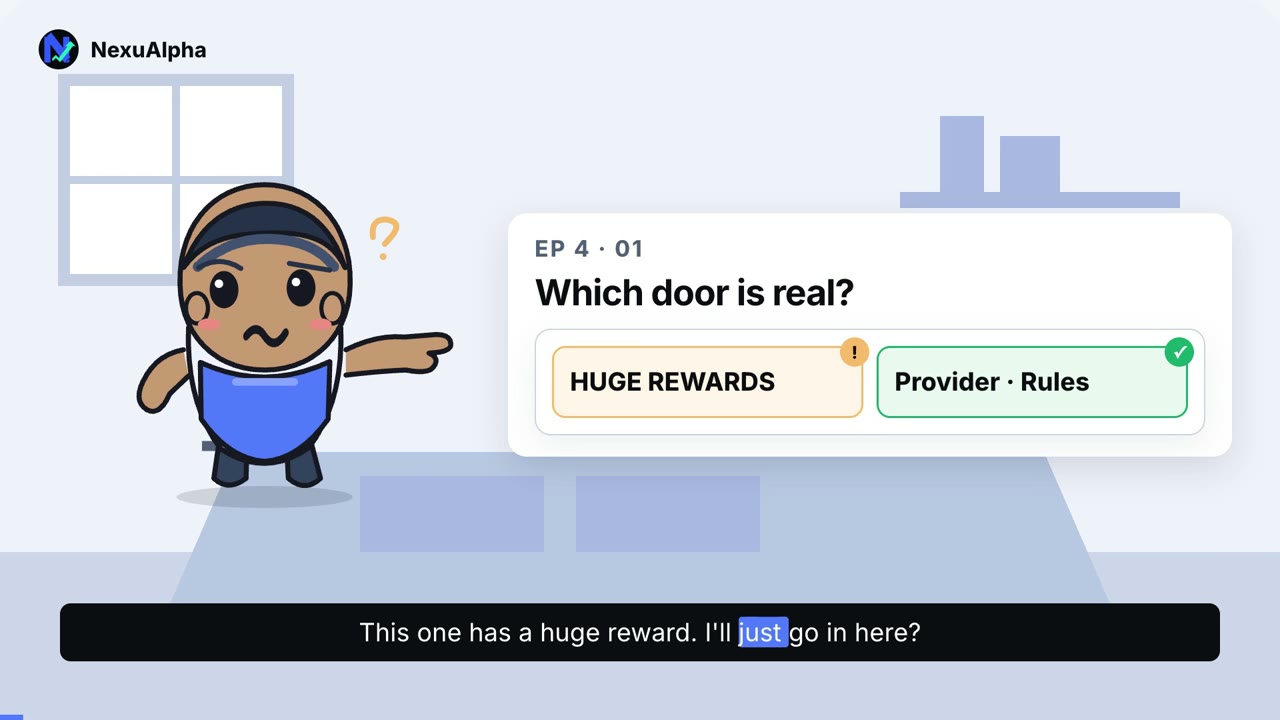 E042:18Find the real door first: don't open an account on a fake platform
 E052:17How does KYC work, and who should get your ID?
 E062:06First deposit: where does the money come from, and where does it go?
 E072:31Your first spot trade: from 100 to 0.002 BTC
 E082:22I sold. Why isn't the money in my bank?
 E092:35Before you transfer: don't guess any of these
 E102:06It says sent, but it never arrived. Where do you look?
 E112:07Someone says he can make you money. First, see what he wants.
 E122:47Season 1 finale: you can do it, and you can choose not to
Part 2
Orders, prices and your risk
Part 3
Futures risks, explained
 E182:05Spot vs futures: you're not buying the same thing
 E192:2110x leverage: more money, or more risk?
 E202:22Why you can be closed out before your margin hits zero
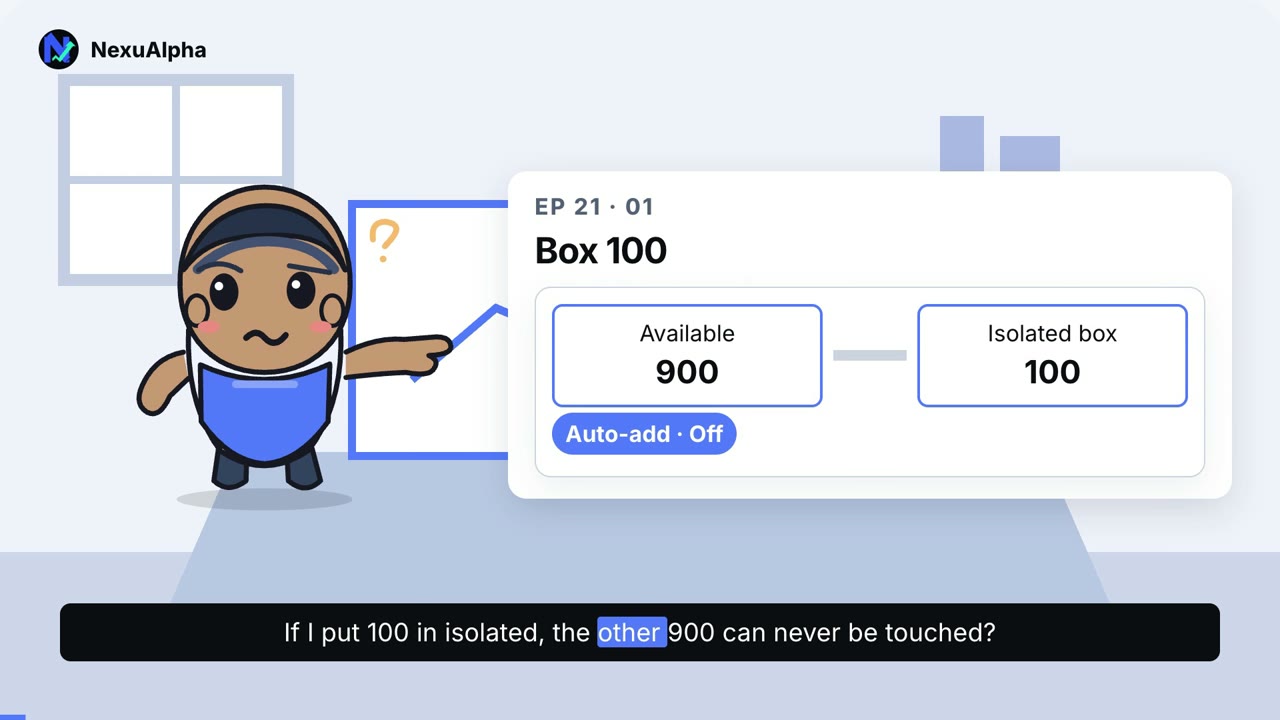 E212:05Isolated margin: putting one trade in its own box
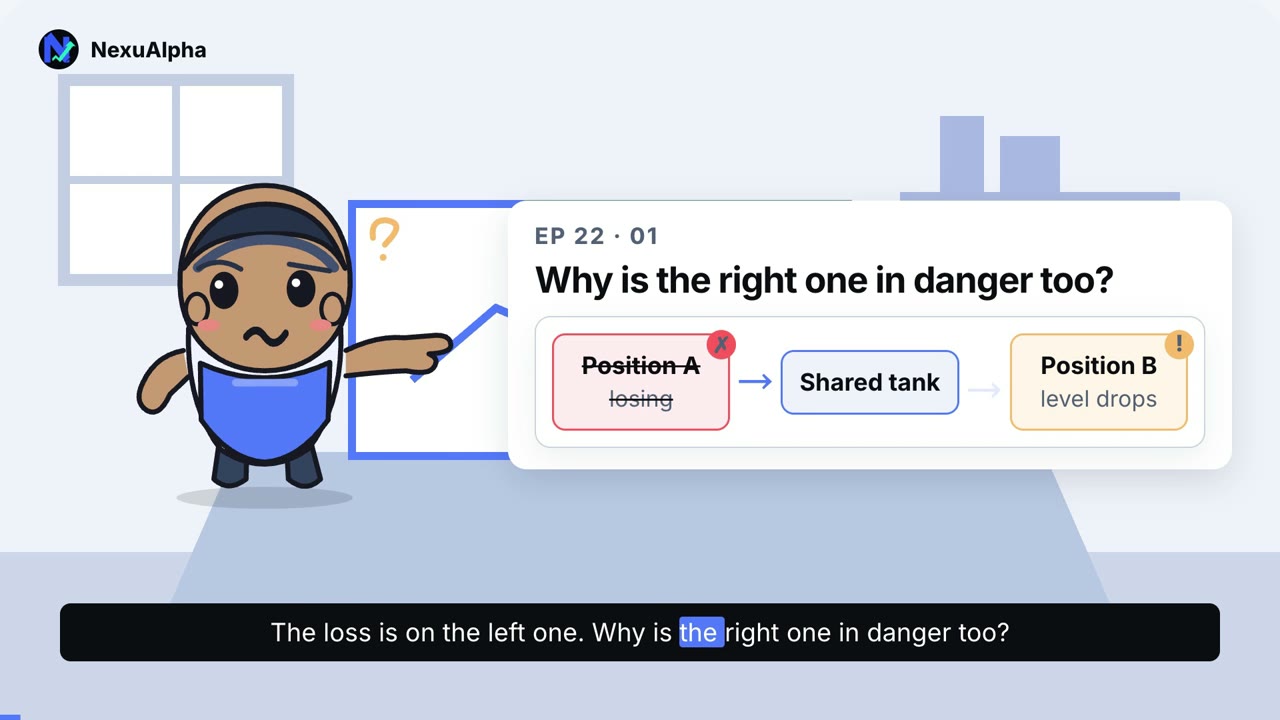 E222:36Cross margin: why one loss can hit your other positions
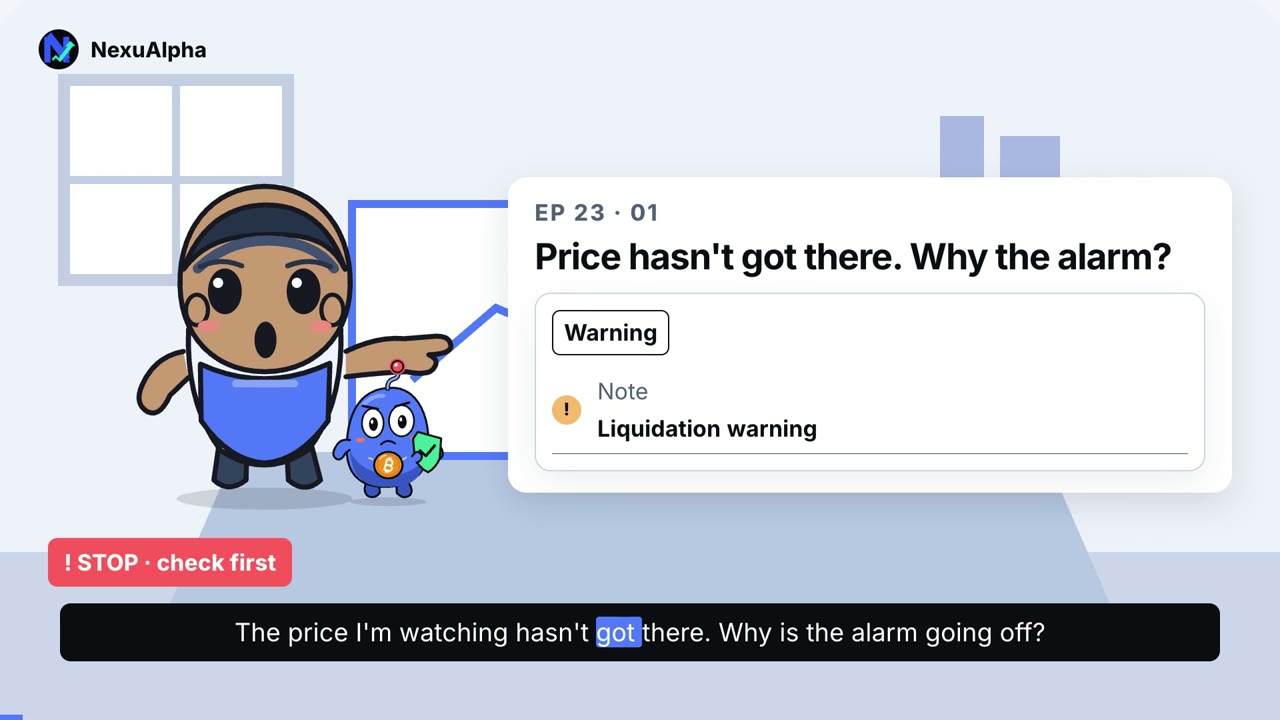 E232:21Liquidation: who pressed the forced-close button?
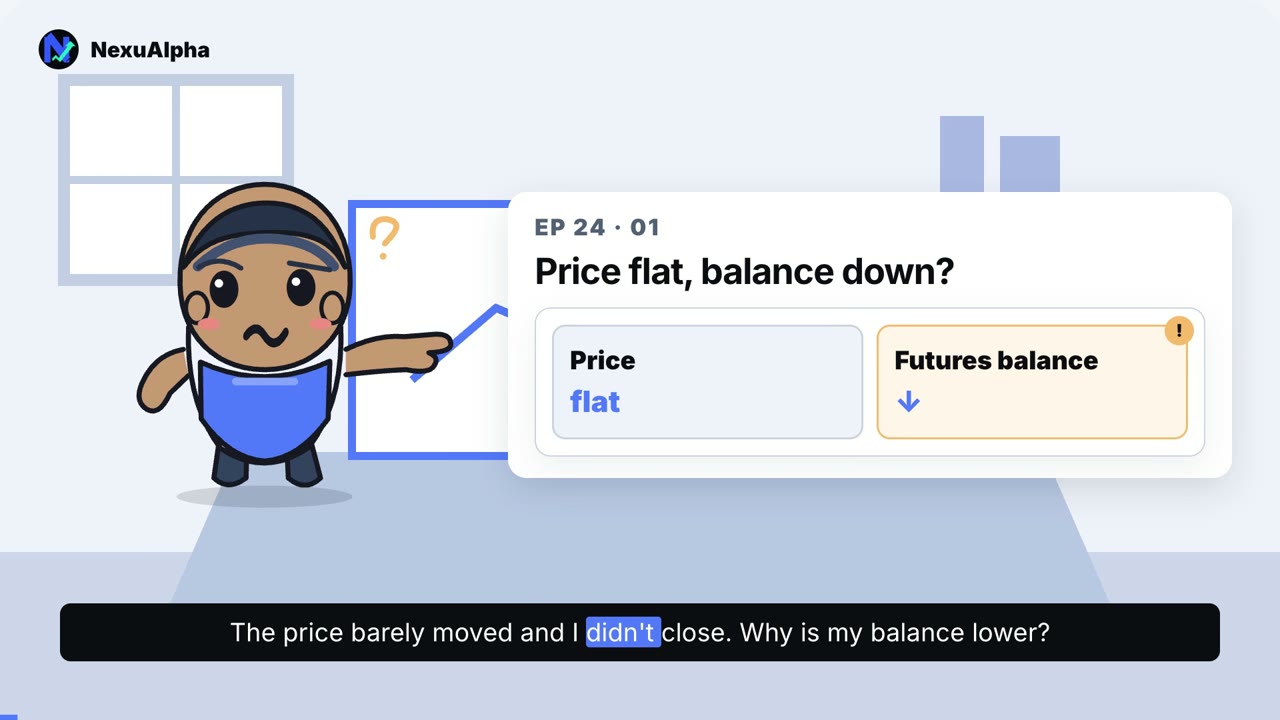 E243:02Price flat, balance down? Finish the last level with costs in mind
Your first week
A support account contacted me privately. What now?
Leave the incoming conversation and open support yourself through the verified app or a previously checked bookmark. Ask about the claimed issue there. A copied logo, familiar display name or urgent warning cannot establish who controls a chat account. Requests that end the conversation Stop if the sender requests an authenticator code, recovery phrase, passkey approval, remote access or a transfer to a verification wallet. Preserve a redacted screenshot if useful, without continuing to disclose information. If you already entered credentials into a suspicious page, use a trusted device to review access and contact genuine support. Read the official-entry guide. The OKX overview provides context, while fee methodology helps with cost questions. Keep the platform profile separate from the stranger’s instructions.
Where do I find the fee after a spot order?
Open the trade history and inspect the executed fills, including the fee amount and the asset used to charge it. An order submission alone does not tell you what traded: check whether it remains open, filled partly, or completed. Reading the record Read the pair, executed quantity and average fill price together. Keep the fee’s currency attached to the amount when comparing the history with your balance. A figure copied without its asset label is hard to reconcile later. Compare your record with the spot lesson, then read fee verification. The Bitget profile is a starting point for venue context; return to the overview when comparing costs. Account protection still matters: review login security before placing another order.
What records should I keep while learning?
Keep enough non-secret detail to reconstruct what happened: the asset, route, amount, fee currency, time and transaction or order reference. For a delayed transfer, retain the sending record and check any transaction hash on an explorer for the correct network. Use the transfer troubleshooting lesson and fee methodology as reading aids. The Gate profile gives venue context; the official-entry guide helps with support checks. Return to the overview for platform context. Keep sensitive records private. Before sharing a screenshot: For trades, save fill status, average price and fees. Store support case references with the relevant event so you can follow the same issue without retelling it from memory. Redact passwords, recovery phrases and live verification codes from anything you share.
What should I secure before adding money?
Secure your email and exchange login before funding the account. Open the genuine app yourself, choose a unique password, and finish binding a supported authenticator or passkey. Before leaving the security screen: Keep a trusted session open while testing a fresh login. Save offered recovery material where you can reach it if the trading phone disappears. Avoid an unprotected note beside your password. Check remembered devices and remove unfamiliar access through official controls. Use the account security guide alongside the OKX profile. Before funding, read how fees are checked and revisit the venue overview for context. If you cannot explain how you would recover access, pause the deposit.
When am I ready to withdraw to my own wallet?
Consider self-custody when you understand who controls the wallet credentials and can protect and recover them. With a standard recovery-phrase wallet, losing the phrase without another valid recovery route can mean permanent loss of access. Read exchange versus wallet, account security and fee methodology. Use the Binance profile for context and return to the overview when reviewing your route. Before withdrawing, establish how your wallet receives the chosen asset and network. Check the full destination, any required memo, the exchange’s current withdrawal fee and the expected received amount. Prepare the network fee needed for later wallet transfers. Start with a test and confirm receipt before moving more. Postpone the transfer if the recovery setup or destination remains uncertain.
Do I need to move from spot to futures?
You can stay with plain spot or decide to trade nothing. Futures introduce a different risk structure, and completing an introductory lesson creates no obligation to use them. Start with the academy and Bybit’s profile. Read fee methodology and account protection before funding. Revisit the venue overview when checking which product you are actually considering. Access to a button says nothing about readiness. A readiness check With unborrowed spot, you exchange assets; the asset you buy can still fall sharply. A perpetual contract creates a position whose profit, loss and margin rules require separate study. Before using that screen, explain the contract, direction, margin mode, liquidation mechanism and ongoing costs in your own words. If any part is unclear, stop at practice.
How small should a test deposit be?
Choose an amount that meets the receiving account’s displayed minimum and that you can afford to lose. There is no universal test amount: inspect the current coin, network, fee and expected credited amount before sending. For an on-chain transfer, copy the destination from the receiving page, compare the complete address and include any required memo. Wait for the receiving account to show credit before considering another transfer. A sender’s success message leaves that final check unfinished. The transfer checklist explains the sequence. Keep the Binance overview handy, consult fee methodology, and use the platform profile for wider context. If credit is missing, preserve the transaction reference and investigate through official support instead of sending more.